
News
Invisalign vs Braces: What are the Differences?
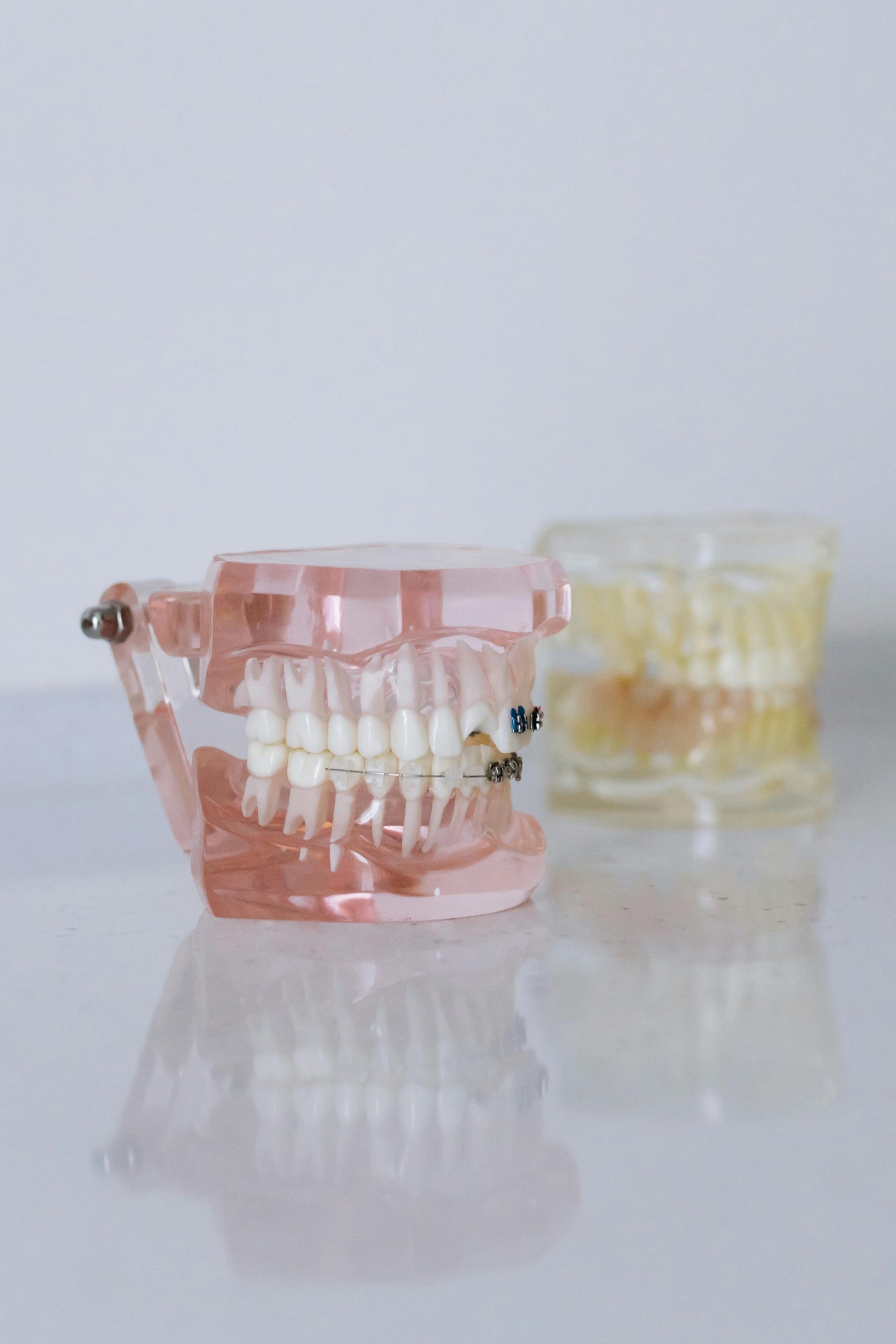
Every smile journey is unique, and for cases where correction or alignment is necessary, patients are often given a choice between Invisalign and fixed braces.
Both treatment pathways are a solution to similar dental concerns, but they offer different approaches. Choosing between the two really depends on case complexity, preference and lifestyle factors.
At Smiles Orthodontic Practice, we understand that every patient has different needs and priorities – that’s why we will present every treatment option available to you, so you can make an informed decision.
Let’s break down the differences between Invisalign and braces, the pros and cons of each and how to decide what is right for you.
How does Invisalign work?
Invisalign treatment uses a series of clear aligner plates to align the teeth. The plates are worn for 22 hours a day, and are changed on a weekly basis to gradually align the teeth.
Invisalign is used to treat:
- Crowded teeth
- Spaces between teeth
- Misaligned teeth
- Mild to moderate bite problems
- Crossbite
- Overbite
- Underbite
- Openbite
Why is Invisalign popular?
- Removable – easy to use, easier to brush and floss to help maintain your oral health during treatment
- Comfortable – soft plastic that is moulded to your teeth
- Virtually invisible – discreet, clear material
- Lifestyle friendly – no dietary restrictions
How do braces work?
Braces are a fixed orthodontic appliance that use small attachments called brackets, which are bonded directly to the teeth. Each bracket is connected by a thin wire that gradually applies pressure to move the teeth into the ideal position.
Braces are used to treat:
- Crowded teeth
- Protrusive teeth
- An openbite due to thumb sucking
- Crossbite
- Deeptbite
- Underbite
Why are braces popular?
- Continuous, controlled movement of the teeth into their ideal place
- Precision with reliable results
- Powerful correction for both simple and complex cases
What’s the difference?
Invisalign and fixed braces both deliver beautiful results, but choosing between them can feel overwhelming for families.
Let’s explore the key differences to help you discover which treatment path feels right for your teen’s unique needs and lifestyle.
| Invisalign | Braces | |
| Cost | Same as braces | Cost effective |
| Treatment time | 15-24 months | 18–24months |
| Comfort | Soft plastic; gentle on the teeth | Sharper, harder surfaces; more painful |
| Aesthetics | Discrete, clear plastic | Visible ‘train tracks’ |
| Maintenance | New aligner plates changed every 1-2 weeks | Braces tightened every 4-8 weeks |
| Hygiene | Rinsed and brushed daily | Brush and mouth wash daily |
| Dietary restrictions | None – remove when eating or drinking | Discouraged from eating hard and sticky foods |
| Effectiveness | Effective in more mild or moderate dental cases | More effective in severe cases e.g. severely crowded and crooked teeth |
How do I choose what’s right for me?
Choosing the right treatment is a personal journey, and several caring considerations will help guide you toward what feels right for you:
-
Case complexity
Dr. Emma will advise on the most effective treatment for you depending on your individual case. In general, Invisalign is considered appropriate for mild to moderate cases whereas fixed braces are preferred for more complex or severe situations.
-
Individual priorities
Everyone has different priorities for their orthodontic treatment. Consider which factors influence your decision the most:
- Cost – discuss a rough budget with Dr. Emma
- Aesthetics – consider whether you want a discreet orthodontic appliance
- Treatment timeline – discuss with Dr Emma if there is a difference in the time frames between the appliances
- Upkeep – determine if can you commit to the demands of Invisalign
-
Lifestyle
Your chosen treatment should fit into your existing lifestyle to ensure that it is sustainable for the duration.
If you:
- Play a musical instrument
- Engage in contact sports (where a mouthguard is required)
- Do not want to restrict your diet
Then Invisalign might be right for you. The removable plates make it easy to continue with hobbies and your existing lifestyle without significant change – you just have to remember to put the plates back in afterwards.
However, if you would struggle to be disciplined with wearing the aligner plates for the required 22 hours a day, then fixed braces are perhaps a more suitable option for you. Fixed braces are an effective and trusted solution for teenagers for that reason.
Why choose Smiles Orthodontics
Smiles Orthodontics is a boutique dental practice that specialises in working with patients to reach their smile goals. We understand that every patient is unique, and we will provide expert guidance, treatment plans and aftercare to suit your individual needs in a relaxed and comfortable environment.
Book your consultation with Smiles Orthodontics today
Dr. Emma will assess the best course of treatment for you, guiding you through every stage with clarity, care and individual solutions.
We offer orthodontic treatments for children, adolescents and adults, so whether you need targeted improvements or a complete transformation, we will work with you every step of the way.
To explore your options, book a consultation with Smiles Orthodontic Practice today.
FAQs
Is Invisalign painful?
Invisalign treatment may cause mild discomfort as your mouth adjusts, but it should not cause pain. Dr. Emma will provide advice to ensure a comfortable experience.
Will wearing Invisalign affect my speech?
There may be some temporary changes to your speech as your mouth and tongue adjust to the aligners, however this should improve within a few days of starting treatment.
How do I take care of my Invisalign?
Invisalign aligners must be worn for 22 hours a day to achieve results, they should be removed for eating and drinking. During treatment:
- Brush your teeth and aligners twice a day
- Rinse aligners every time you take them out using cool or lukewarm water only
Is Invisalign faster than braces?
In many mild to moderate cases, Invisalign can be faster than braces. However, the length of treatment time with Invisalign can vary depending on the patient’s commitment to wearing the aligners.
Is Invisalign cheaper than braces?
No – Invisalign is generally the same price as traditional fixed braces, however the overall cost depends on each individual case. During the consultation, the Smiles’ team will discuss the exact costs of your treatment.